
Federal Reserve Stress Test Passed: But This Year Was Less Strict
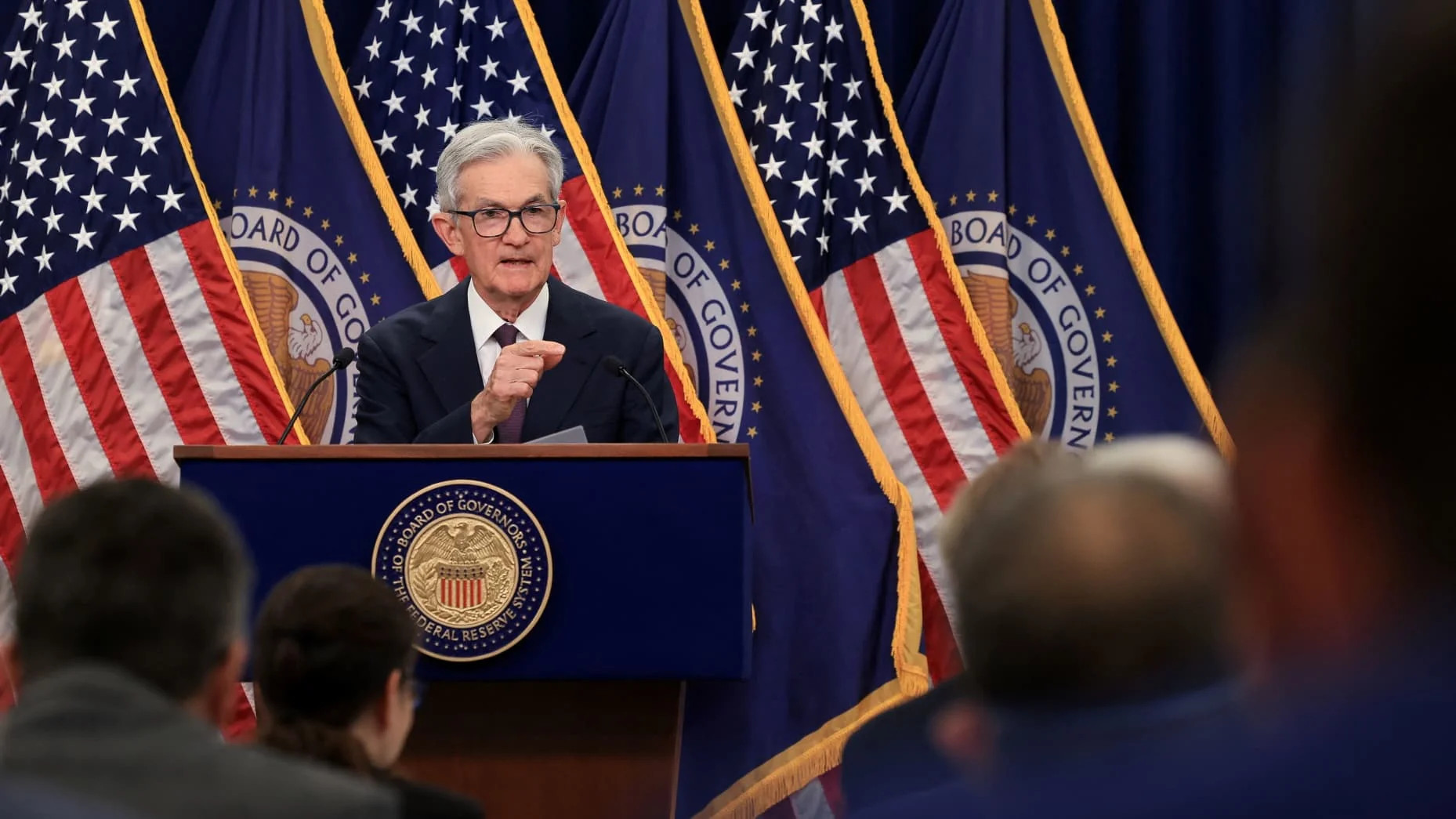
The Federal Reserve said all major banks passed its annual stress test of the financial system. However, this year’s test was much less stringent than in previous years.
The Fed said the 22 banks tested this year would remain solvent under the scenario and stay above the minimum threshold needed to keep operating. Even assuming losses of about $550 billion, the banks would still meet the requirements.
In the Fed’s scenario, unemployment rose less, the economy contracted less severely, and declines in commercial real estate and home prices were also smaller than in the 2024 test.
These milder downside shocks in the model mean smaller hits to bank balance sheets and a lower risk that banks would fail to keep operating. Since the banks already passed the 2024 stress test, passing the 2025 test was expected.
Michelle Bowman, the Fed’s vice chair for supervision, said: “Large banks remain well capitalized and can withstand a range of severe outcomes.” She took office as vice chair for supervision earlier this month and is a Trump appointee.
It is not clear why the Fed chose a less stringent test this year. In its statement, the Fed said past test results had shown “unexpected volatility” and that it plans to seek public and industry input in future years to adjust how the stress test is conducted. The Fed also decided not to apply a tougher test to banks’ exposure to private equity assets, saying such assets are usually held for the long term and are not typically sold during periods of market stress.
The Fed also did not assess banks’ exposure to private credit in this year’s test. The asset class is worth about $2 trillion, and Fed researchers have already noted its worrying growth. The Boston Fed recently said private credit could pose a systemic risk to the financial system in a severe adverse scenario, and stress tests are designed to examine exactly that kind of risk.
In the Fed’s press release, report, or methodology, this year’s stress test included no testing or measurement language related to private credit or private debt.
The Fed’s stress test was created after the 2008 financial crisis to assess whether banks deemed “too big to fail” could withstand shocks to the financial system similar to a crisis. At its core, the stress test is an academic simulation: the Fed builds scenarios for the global economy and measures their impact on banks’ balance sheets.
The 22 banks tested this year are the industry’s largest institutions, including JPMorgan Chase, Citigroup, Bank of America, Morgan Stanley, and Goldman Sachs. Together they hold trillions of dollars in assets and operate across many parts of the U.S. and global economies.
Under this year’s scenario, a severe global recession would cause commercial real estate prices to fall 30%, home prices to fall 33%, unemployment to rise to 10%, and stock prices to drop 50%. By comparison, the 2024 scenario assumed commercial real estate prices would fall 40%, stock prices 55%, and home prices 36%.
After passing the test, these large banks will be allowed to pay dividends to shareholders and buy back shares to return capital to investors. Their dividend plans will be announced next week.